
When you monitor environmental samples, you need reliable methods that deliver accurate results quickly. Ion Chromatography offers the precision required to detect contaminants like nitrates, sulfates, and heavy metals at trace levels—key for meeting strict regulatory standards. But understanding how this technique fits into compliance testing could change the way you approach environmental monitoring and decision-making. There’s more to its role than just identification and quantification.

What Is Ion Chromatography and How Does It Work?
Ion chromatography separates ions and polar molecules based on their charge, helping you identify and measure contaminants in environmental samples.
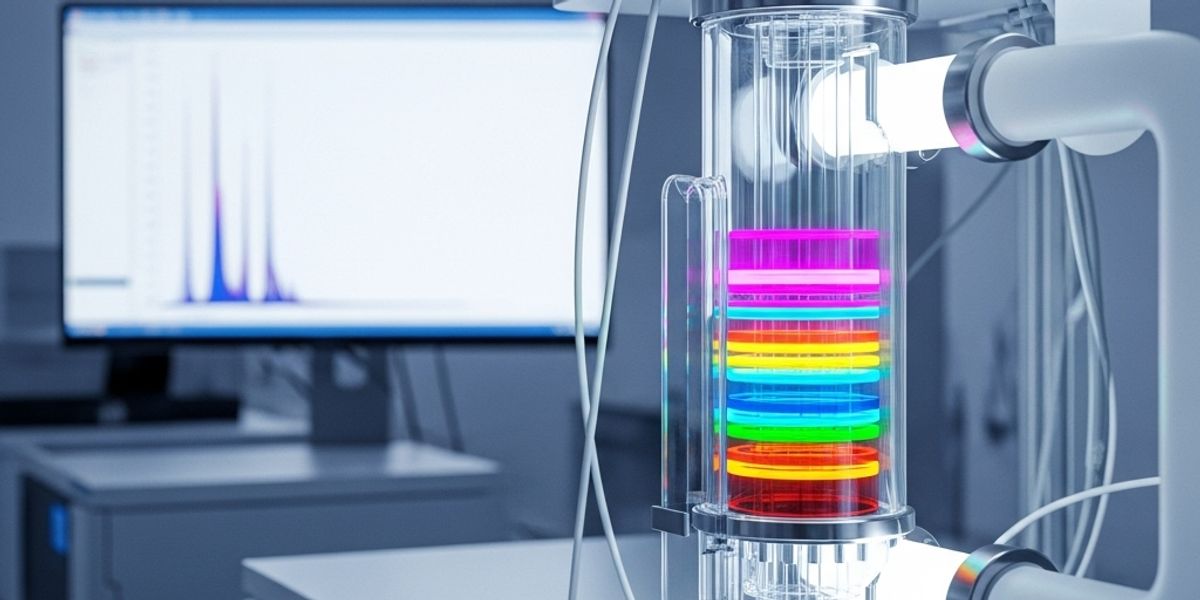
You’ll inject a liquid sample into a stream that flows through a column packed with charged resin. As the sample travels, ions interact differently with the resin depending on their charge and size. This interaction causes ions to separate over time, allowing you to detect each one individually.
You then use a detector to measure the concentration of these ions as they exit the column. This method is highly sensitive and precise, giving you the freedom to monitor water quality https://laballiance.com.my/, soil, or air samples confidently.
Ion chromatography empowers you to maintain environmental standards without guesswork or compromise.
Detecting Nitrates, Sulfates, and Heavy Metals With Ion Chromatography
Detecting nitrates, sulfates, and heavy metals becomes straightforward when you harness ion chromatography’s precision. You can separate and quantify these contaminants quickly, giving you clear insight into water quality or soil conditions.
Ion chromatography lets you pinpoint nitrates and sulfates at trace levels, which is crucial for preventing environmental harm and meeting regulatory limits. It also identifies heavy metal ions like lead, cadmium, and mercury with high accuracy, so you’re never left guessing about toxicity risks.
Why Ion Chromatography Is Essential for Environmental Compliance
You’ll often find that meeting environmental regulations hinges on accurate and timely analysis of contaminants.
Ion chromatography gives you the precision and speed you need to identify harmful ions in water, soil, and air samples.
It’s essential because it detects even trace levels of pollutants, helping you stay ahead of regulatory limits and avoid penalties.
With its ability to handle multiple ions simultaneously, you save time and resources while ensuring compliance.
Plus, ion chromatography’s reproducibility means you can trust your results every time, giving you confidence in your environmental reports.
Choosing Ion Chromatography Methods for Environmental Testing Accuracy
Selecting the right chromatography method can make all the difference in achieving accurate environmental testing results. When you choose a method, focus on precision and adaptability to meet your specific testing goals.
Here’s what to consider:
- Analyte Specificity – Pick methods that target your contaminants without interference.
- Detection Limits – Ensure sensitivity matches regulatory thresholds.
- Sample Matrix Compatibility – Choose methods that handle your sample’s complexity.
- Run Time and Throughput – Balance speed and accuracy to meet your workload demands.
How Ion Chromatography Supports Sustainable Environmental Practices
By integrating ion chromatography into your environmental testing, you actively contribute to sustainable practices that protect ecosystems and public health. This technique lets you precisely monitor pollutants like nitrates, sulfates, and heavy metals, enabling quicker, informed decisions that prevent environmental harm.
You’ll reduce waste by using minimal reagents and samples, supporting greener lab operations. Ion chromatography’s sensitivity means you catch contaminants early, helping you comply with regulations while preserving natural resources.
With reliable data at your fingertips, you can promote transparency and accountability in your environmental efforts. Embracing this technology empowers you to balance industrial progress with ecological responsibility, giving you the freedom to innovate without compromising the planet’s health or your community’s future.
Conclusion
You rely on ion chromatography to accurately detect and quantify harmful ions like nitrates, sulfates, and heavy metals, ensuring your environmental testing meets strict regulatory standards. Its precision and speed help you avoid costly penalties while supporting transparent, science-based decisions. By choosing the right ion chromatography methods, you not only achieve compliance but also contribute to sustainable environmental management, protecting public health and ecosystems for the future.