
A beginner-friendly dog grooming class introduces fundamental grooming concepts including brushing, bathing, nail trimming, and ear cleaning while emphasizing pet comfort and safety. Participants learn to use essential tools like brushes, clippers, and dog-friendly shampoos with guided dog grooming courses, hands-on practice. Classes also cover techniques for keeping dogs calm and cooperative through positive reinforcement. This structured approach builds confidence in handling grooming tasks properly. Exploring these topics further reveals practical tips and detailed steps for successful dog grooming.
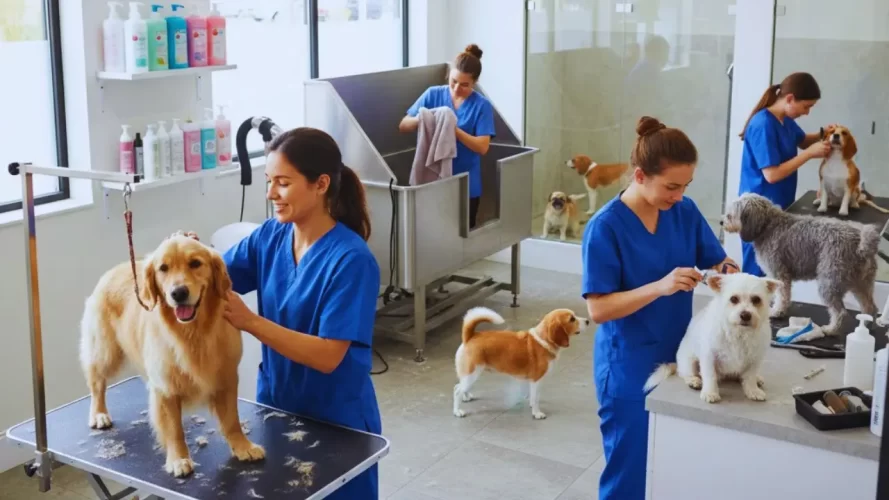
Understanding the Basics of Dog Grooming
Although often overlooked, mastering the basics of dog grooming is essential for maintaining a pet’s health and comfort. Grooming involves routine practices such as brushing, bathing, nail trimming, and ear cleaning, each contributing to a dog’s well-being.
Regular brushing prevents matting and distributes natural oils, promoting a healthy coat. Bathing removes dirt and odors, while careful nail trimming avoids discomfort and potential injury https://cosmos.petuniverse.com/dog-grooming-course/. Ear cleaning helps prevent infections by removing buildup.
Understanding a dog’s specific coat type and skin sensitivity guides appropriate grooming frequency and techniques. This foundational knowledge empowers pet owners to care confidently for their dogs, ensuring freedom from discomfort and fostering a strong bond without relying heavily on professional services.
Basic grooming skills lay the groundwork for a happier, healthier life for both dog and owner.
Essential Tools and Supplies You’ll Use
A well-equipped grooming kit is fundamental to effective dog care. Essential tools include a variety of brushes and combs suited to different coat types, such as slicker brushes for removing loose fur and undercoat rakes for thick double coats.
Clippers with adjustable blades allow for precise trimming, while grooming scissors handle delicate areas. Nail clippers or grinders maintain paw health, preventing discomfort or injury.
Additionally, a sturdy grooming table or non-slip mat provides stability during grooming sessions. Gentle, dog-friendly shampoos and conditioners cleanse without irritation.
Finally, towels and blow dryers help dry the coat efficiently. These supplies enable beginners to approach grooming with confidence, promoting independence and control in caring for their dogs’ hygiene and appearance.
Step-by-Step Grooming Techniques for Beginners
Starting with basic grooming steps establishes a solid foundation for beginners. The process begins by brushing the dog’s coat to remove tangles and loose hair, promoting a healthy shine.
Next, trimming nails carefully prevents discomfort and injury. Cleaning ears with a gentle solution helps avoid infections. Bathing follows, using dog-specific shampoo to maintain skin balance, then drying thoroughly with a towel or blow dryer on a low setting.
For long-haired dogs, additional brushing post-bath prevents mats. Finally, trimming hair around sensitive areas like eyes and paws enhances comfort and appearance.
Each step encourages confidence and skill development, empowering beginners to care for their dogs independently while respecting the animal’s natural behavior and comfort levels. This approach nurtures freedom in grooming routines without stress.

Tips for Keeping Your Dog Calm and Cooperative
Successfully applying grooming techniques relies heavily on the dog’s comfort and cooperation throughout the process. Ensuring a calm environment is essential; minimizing loud noises and distractions helps the dog feel secure.
Gradual introductions to grooming tools allow the animal to become familiar without fear. Using gentle, steady movements rather than sudden actions prevents startling the dog. Positive reinforcement, such as treats and praise, encourages willingness and associates grooming with rewards.
Observing the dog’s body language enables timely breaks when signs of stress appear. Consistency in routine fosters predictability, reducing anxiety over time.
These strategies create a relaxed atmosphere, enabling the dog to remain calm and cooperative, which is crucial for successful grooming sessions that respect the dog’s freedom and well-being.
Building Confidence Through Hands-On Practice
Engaging directly with grooming tools and techniques enhances a dog owner’s confidence and skill.
Beginner-friendly dog grooming classes emphasize practical experience, allowing participants to develop independence and trust in their abilities. Through hands-on practice, owners gain the freedom to care for their pets without relying heavily on professional groomers.
Key components include:
- Repeated use of brushes, clippers, and scissors to become familiar with each tool’s function.
- Guided sessions on safely handling dogs during grooming, reducing anxiety for both dog and owner.
- Real-time feedback from instructors to correct technique and build assurance.
This active involvement fosters empowerment, making the grooming process less intimidating and more manageable, resulting in a liberated and self-reliant approach to pet care.
Conclusion
A beginner-friendly dog grooming class provides foundational knowledge and practical skills essential for pet care. Participants gain familiarity with necessary tools and step-by-step techniques, promoting a safe and effective grooming experience. Emphasis on calming strategies helps guarantee a cooperative pet, while hands-on practice builds confidence and competence. Ultimately, such classes empower individuals to maintain their dogs’ hygiene and well-being, fostering a positive grooming routine for both owner and animal.